Pencils, eh
A virtual museum of the golden age of the Canadian pencil industry.
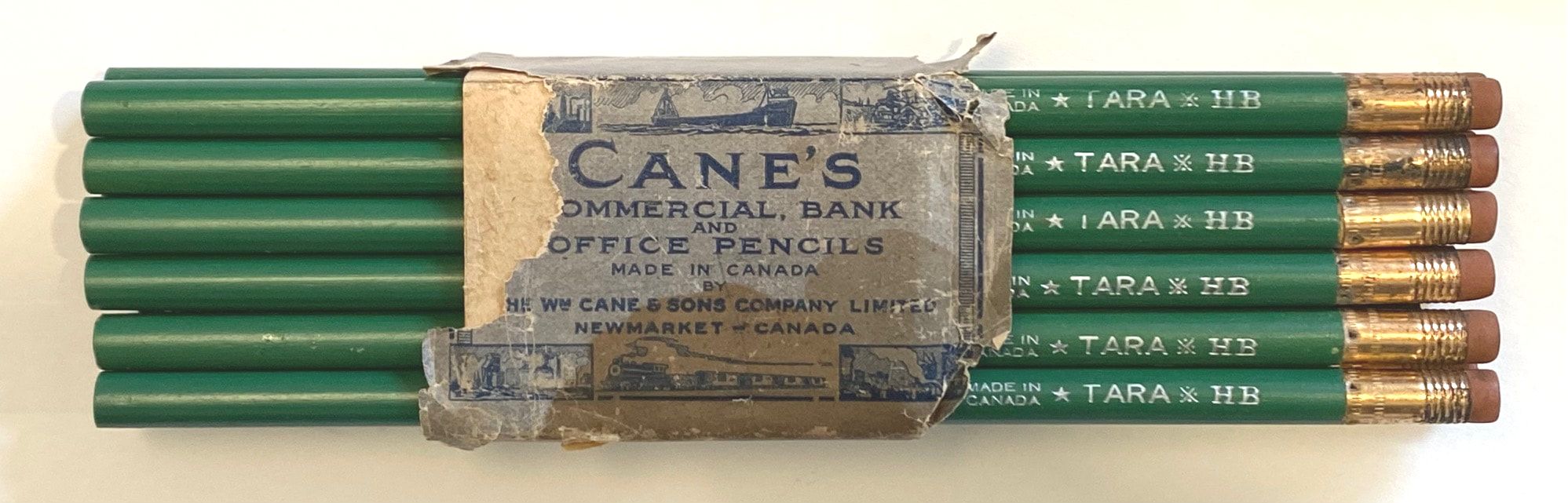  Cane's Tara HB pencil The William Cane and Sons Company Ltd. was the first company (that I'm aware of) that manufactured pencils in Canada. William Cane was Newmarket, Ontario's first mayor and a successful entrepreneur. He begain a woodenware factory in Newmarket in the late 1870s or early 1880s. William died in May 1899 and his son, Henry S. Cane took over the family business. It wasn't until the outbreak of World War 1 that this company began to embark in the pencil business. Prior to WW1, high quality and low cost pencils from Austria and Bavaria were popular in Canada. During the war, these pencils became scarce. To capitalize on this opportunity, Cane's began to make pencils for the domestic Canadian market. By 1918, a number of different styles of pencils were being manufactured and advertised in Canadian trade journals such as the Bookseller & Stationer and Office Equipment Journal. These pencils were manufactured until the late 1920s when the company fell on some hard times. Eventually, in 1931, the pencil manufacturing part of the woodenware business was sold to Dixon Pencil Company and a Canadian subsidiery of the US pencil company was created. Dixon continued making pencils in the old Cane's factory until it closed in 1990. 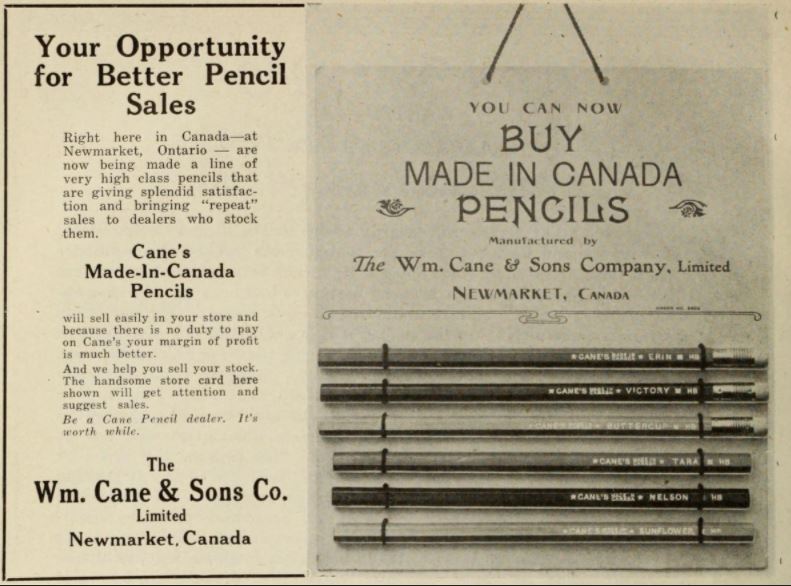 Bookseller & Stationer and Office Equipment Journal 1918. These pencils are increadibly rare and until recently I have only seen advertisements, never an actual pencil. There were made in relatively small numbers for only about ten years. These pencils are a historic example of Canadian industry. I feel like these pencils are true museum pieces. The close up of the paper band shown below contains images of Canadian industry and transportation. 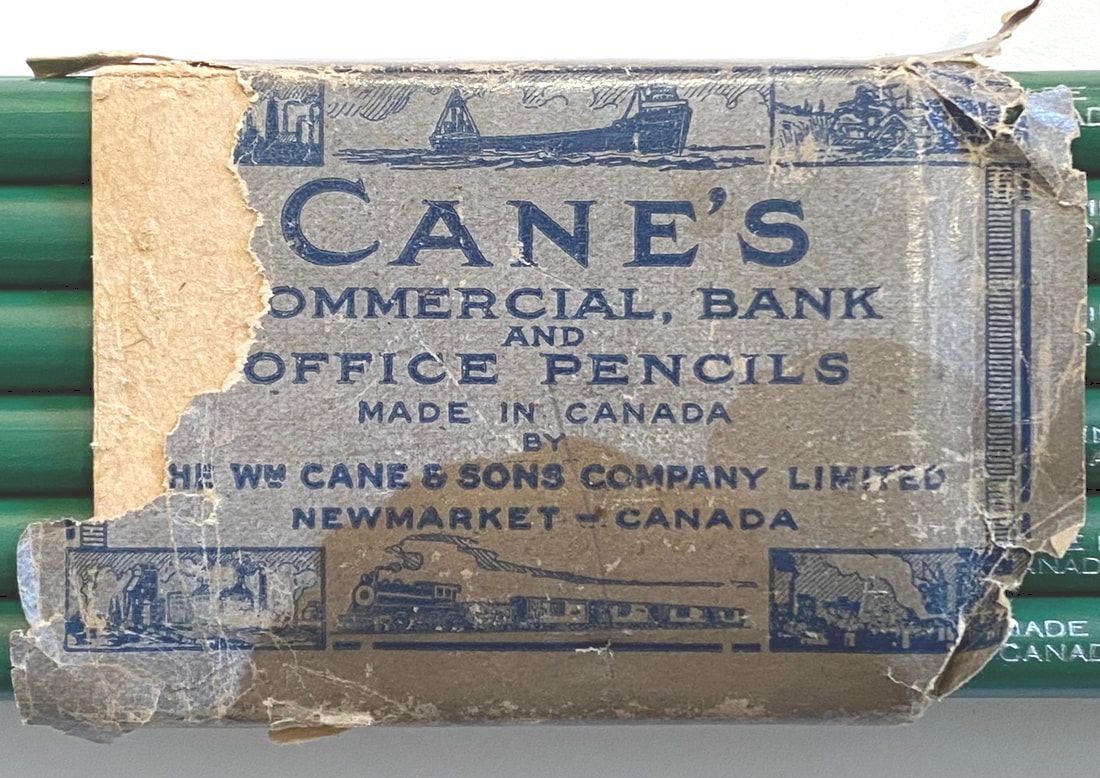 Up close image of the writing and images on the paper band
0 Comments
During the mid-1950s (1955-1957), Dixon Canada made pencils honoring hockey players from the Toronto Maple Leafs and the Montreal Canadiens (two of the original six NHL teams and the only two Canadian Hockey teams during that era). It is difficult to find records from that time but it appears that Dixon made sets of twelve pencils picturing players from the 1955-56 and 1956-57 seasons. Individual pencils from these sets show up quite frequently on eBay. Individual pencils sell for between $25 and $250 depending on the player. Complete sets are quite rare and expensive. There is currently a set of Toronto Maple Leaf pencils on eBay. This set of 12 pencils is in very good condition. The price seems expensive but is in line with past auctions for similar sets of pencils. 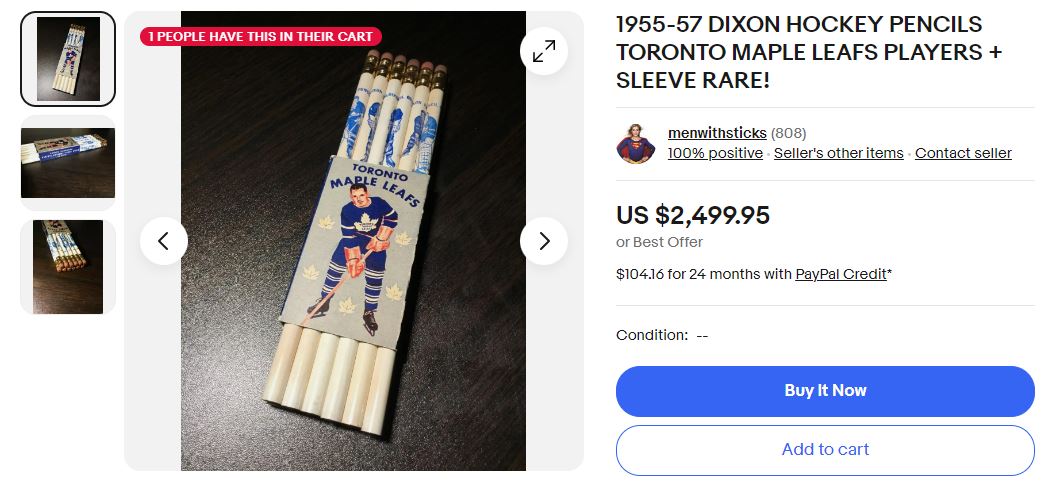 Players in this specific set include: Barry Cullen, Brian Cullen, Jim Thompson, Jim Morrison, Tod Sloan, Earl Balfour, Gary Aldcorn, Ed Chadwick, Bob Pulford, Sid Smith, Gerry James & Marc Reaume. These players were all on the Maple Leafs during either the 1955-56 or 1956-57.
There are pencils for numerous other plays available as well. I'm not sure if each set had a random grouping or if the players being printed changed over time. Sports pencils are highly collectible. In the football realm, I've seen a set of Grey Cup pencils produced by Eberhard Faber in Canada. It was a set of two pencils, one in white and one in blue, not for a specific team but just for the championship.
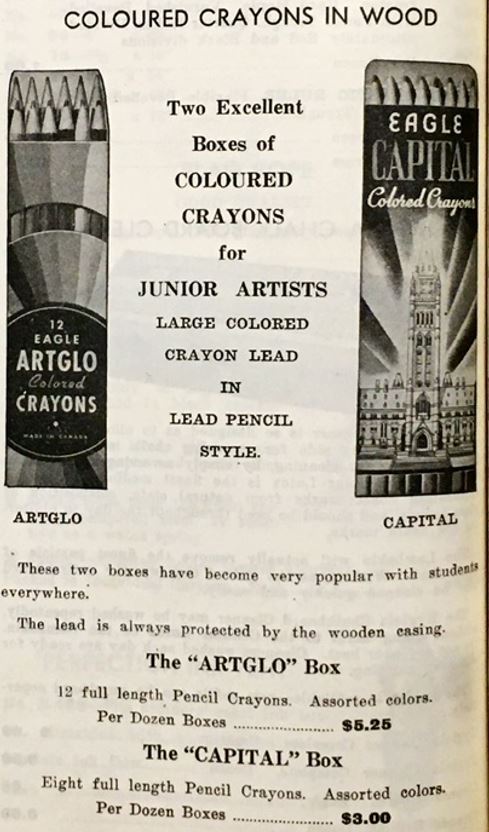
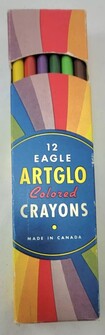
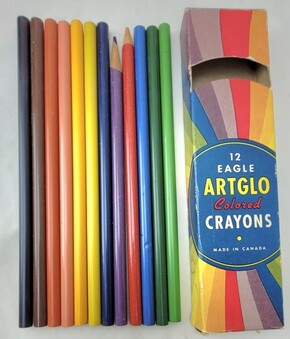
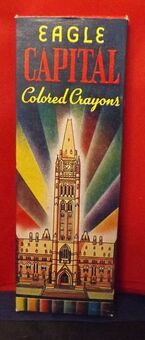
Below are some photos of these pencils from recent online auctions. The Eagle Capital pencils are packed in one row of 8 pencils while the Artglo are packaged with two rows of 6 pencils.
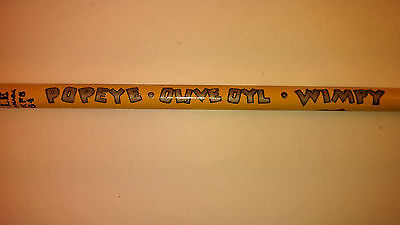
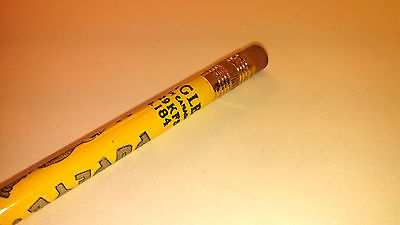
This pencil contains the images and names of the cartoon characters Popeye, Olive Oyl and Wimpy. The character of Popeye first appeared on January 17, 1929 in the King Features Syndicate daily comic strip named Thimble Theatre. This comic had been running for nearly 10 years prior to Popeye's introduction. It was a very popular comic strip in the late 1930s and early 1940s. I believe this pencil was probably produced some time in the 1940s. The top of this pencil contains the text "©1929KFS" in reference to Popeye's debut. "No. 184" is also printed at the top of this pencil.   During some additional searching, I found some images of this same pencil but in a yellow color and with a ferrule on the end. Perhaps this came in two different versions.
The Eagle Chief Wahoo No. 185 is another early pencil showing the popular cartoon figures Chief Wahoo, Minnie Ha-Cha, Pigtails and Gusto. The comic strip Big Chief Wahoo was started in 1936. That pencil had a ferrule and eraser on the end. A picture of that pencil was shared on a Facebook group. The poster said that they found the pencil in their grandmother's kitchen "junk drawer" many years ago but didn't know much more about it. 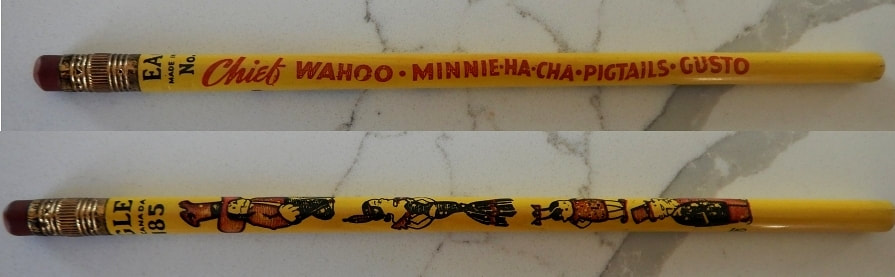 Eagle No. 185 Chief Wahoo pencil I'm curious to discover if there are additional comic strip pencils produced by Eagle during this time period.
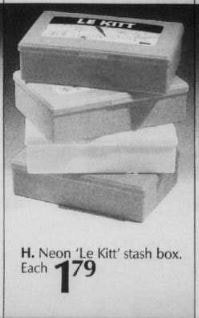
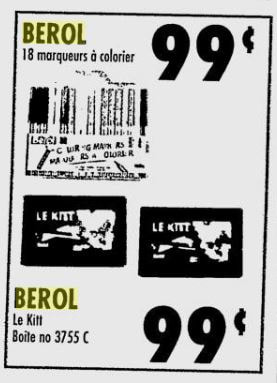
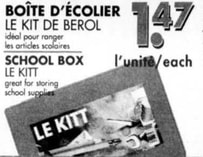
If you went to school in Canada in the 90s then you're probably pretty familiar with Le Kitt pencil boxes. Either you or a freind probably had one to hold your school supplies. A few pencils and pens, some pencil crayons, an eraser or ruler. You may have had it covered with stickers. These plastic pencil cases were made by Berol in a number of different colours. I've seen purple, green, yellow, blue, red in various shades. My 30 year old box shown here is dark green. 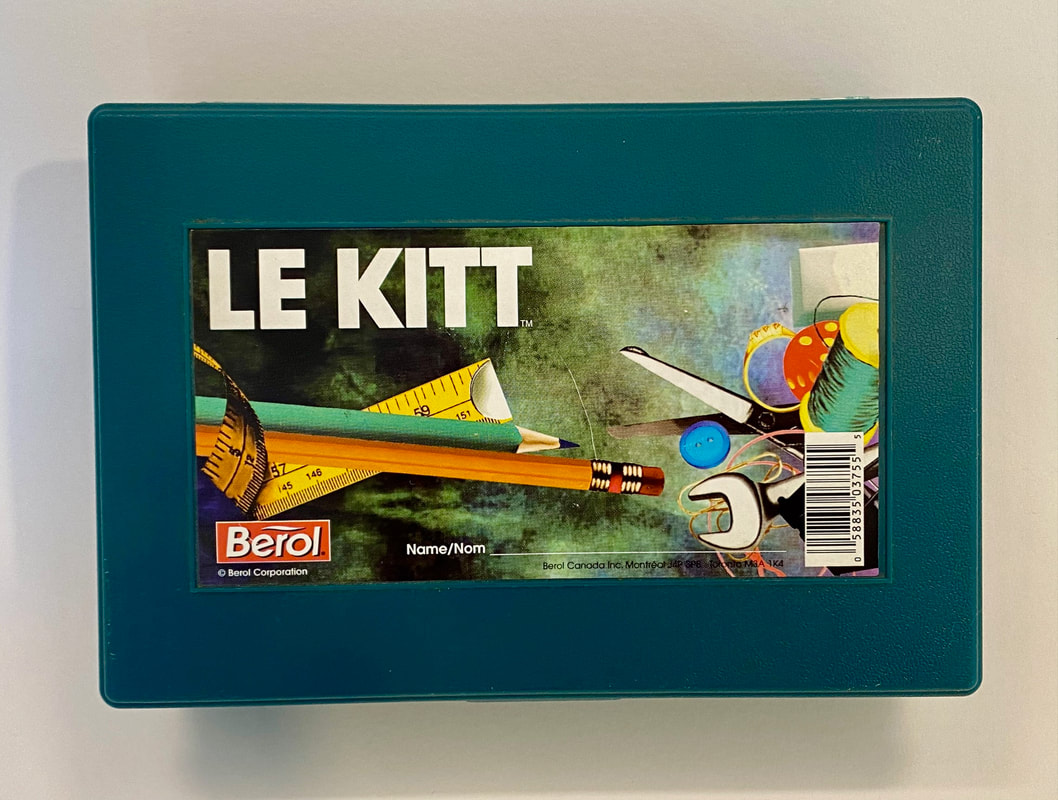 1990s Le Kitt pencil box 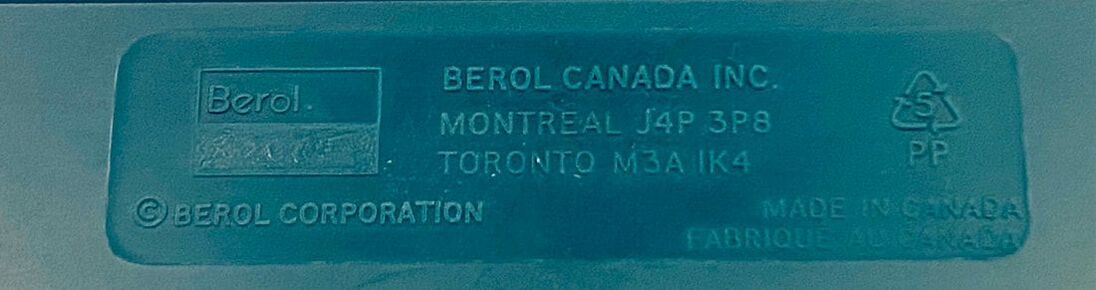 From what I can tell, these were made in Canada from the late 1980s (at least 1989) until the late 1990s. There were two main designs of the sticker on top of the box. Early boxes had the black band across the top with the words Le Kitt and a design witha white background. Later boxes, like mine, had the words Le Kitt on the top left with wider variety of items shown... not just pencils and erasers, this pictures sewing supplies and a wrench.
It is interesting that while the Eagle/Berol pencil factory in Drummondville shut down in 1992, these were still being produced in Canada at some other facility until the late 1990s. They must have been produced under a contract with a Canadian plastics company. It would be interesting to find out where they were made in Canada. Do you have any memories of Le Kitt? What did you stash in these ubiquitous plastic boxes?
Finding this set of pencils was a thrill. Chancellor's are not common to find, especially as a full unsharpened set like this. They were marketed as direct competitors with high end pencils from other Canadian manufacturers like the Eagle Mirado and Venus Velvet. Advertising for this pencil highlighted that it was one of the only pencils to be made with graphite from a Canadian mine. The Black Donald Graphite Mine served as an important domestic source of graphite during both World War 1 and 2. The mine was later submerged by the construction of the Mountain Chute dam on the Madawaska River by Ontario Hydro in 1967.  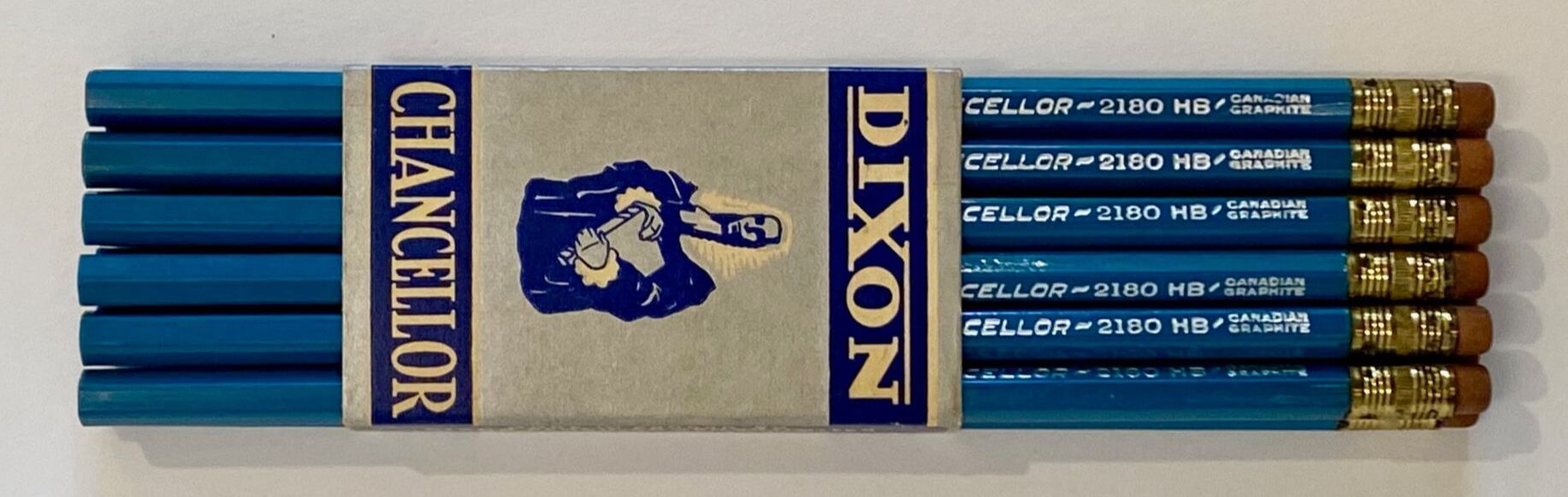 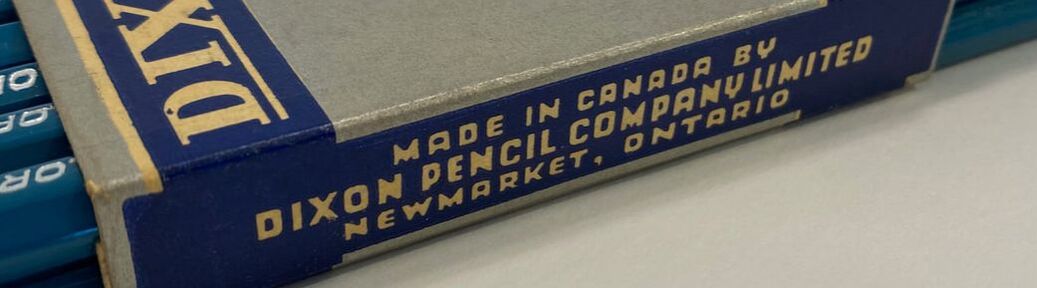 Dixon's Chancellor pencil was available in Canada even before they established their factory in Newmarket in 1931. From what I could find, the Chancellor was made in the US for the Canadian market (similar to the Dixon Sovereign pencil). The version manufactured in the US had the number 2170 with eraser tip and 2171 without eraser. A. R. MacDougall Company, Ltd. headquartered in Toronto, ON was the Canadian distributor of Dixon pencils during this time. Below are images from the Bookseller and Stationer and Office Equipment Journal.   From Bookseller and Stationer April 1917. 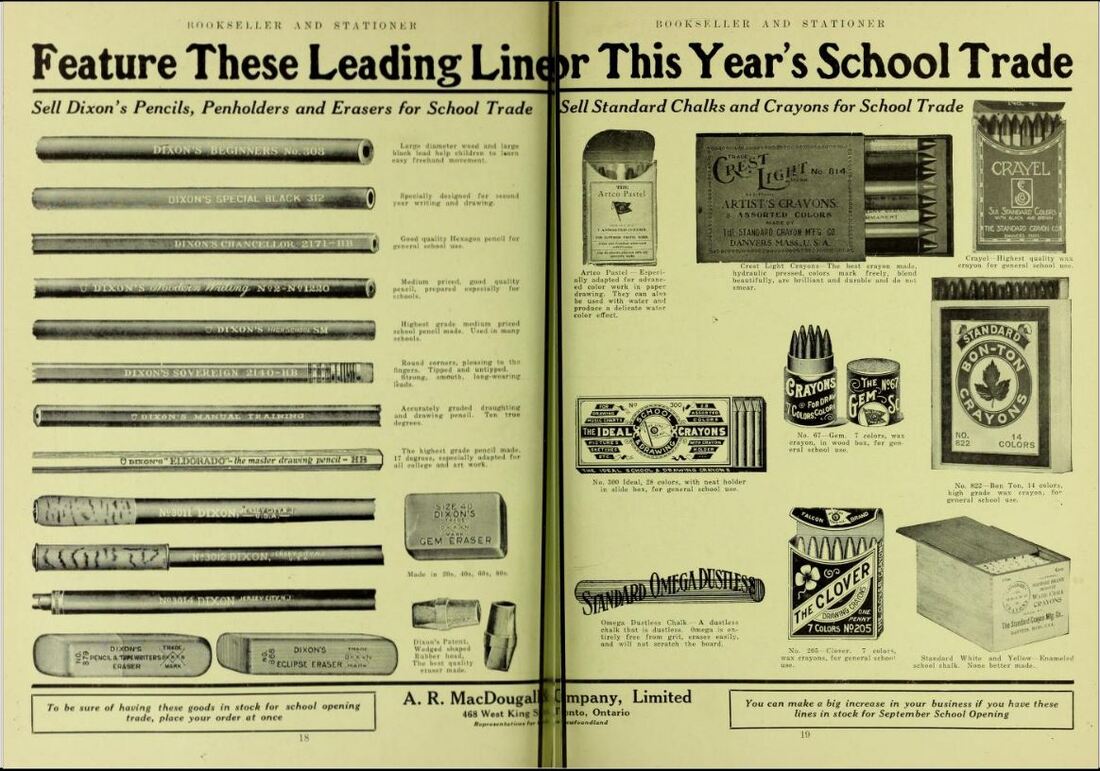 A more detailed history of Dixon Chancellor pencils can be found here: pencilseh.weebly.com/blog/the-dixon-chancellor.
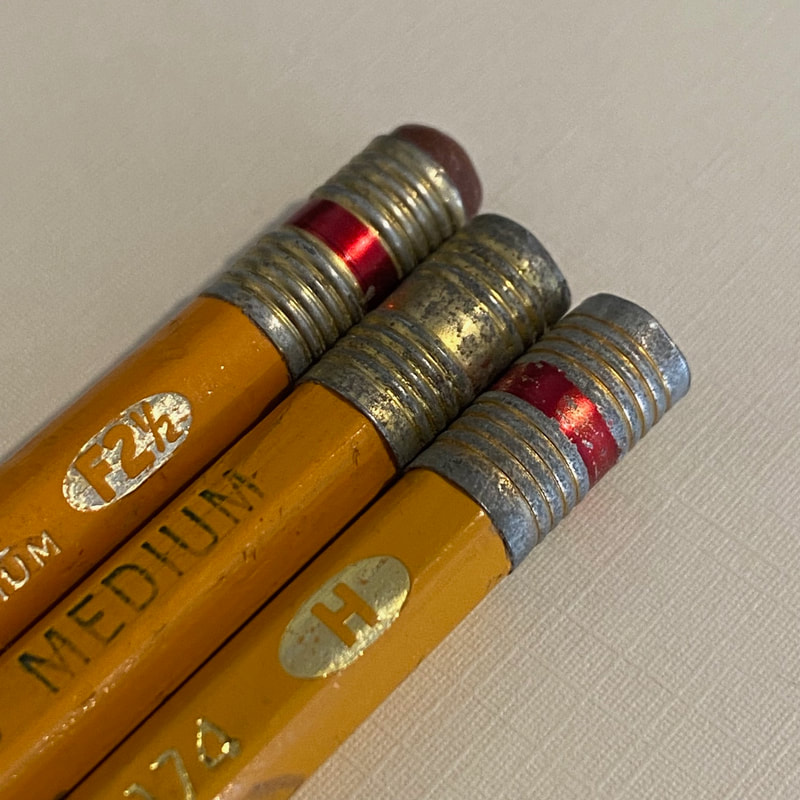
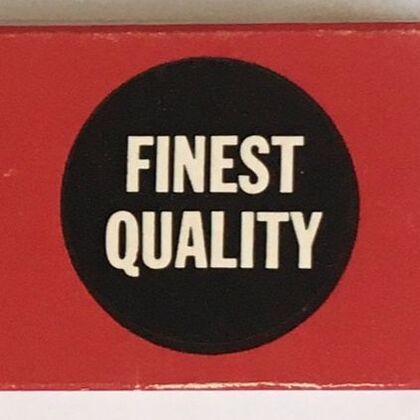
Last week a ran across an old pencil left behind at the photocopier. It is not common to see a number given to a pencil without a brand name. This pencil ist stamped "Canada - Finest Quality - No. 358 HB Medium". Generic pencils often have a minimal amount of stamping. While it looks to be made in Canada, the manufacturer is a bit of a mystery.  I think this may have been made by Eagle for two reasons. The first reason is that the ferrule is identical to the ferrule from a Mirado pencils, just missing the red paint around the center. In the picture below you can see that these ferrules appear to be brass plated aluminum. The second reason is the "Finest Quality" statement which is common on old Mirado packages.
If you have any more info on this pencil, please reach out. Solving these little mysteries is part of the fun of collecting old pencils.
The story of metrication in Canada is rife with drama and intrigue... a grand vision with mixed results. The Metric Commission was established in Canada in 1971 to support Canada's conversion to the metric system of measurement. To help Canadian's make the shift, they produced lots of pamphlets, pencils and rulers which were given away. Pencils with metric measurements were given out in the 1970s with reminders of the new system of measurement. Like pencils produced for the census, they ended up in many household drawers and can still sometimes be found.  Rulers were also produced. Since these were not consumable as pencils were, they are less rare. I see them occasionally in thrift shops and online marketplaces.   The metric system was never fully adopted in Canada and while temperature is measured in Celcius and speed in kilometers per hour, other measures are still stuck in the old imperial system. The Metric Commission was disbanded in 1985 but these artifacts are a reminder of a time when the conversion was fiercely debated in homes and politics.
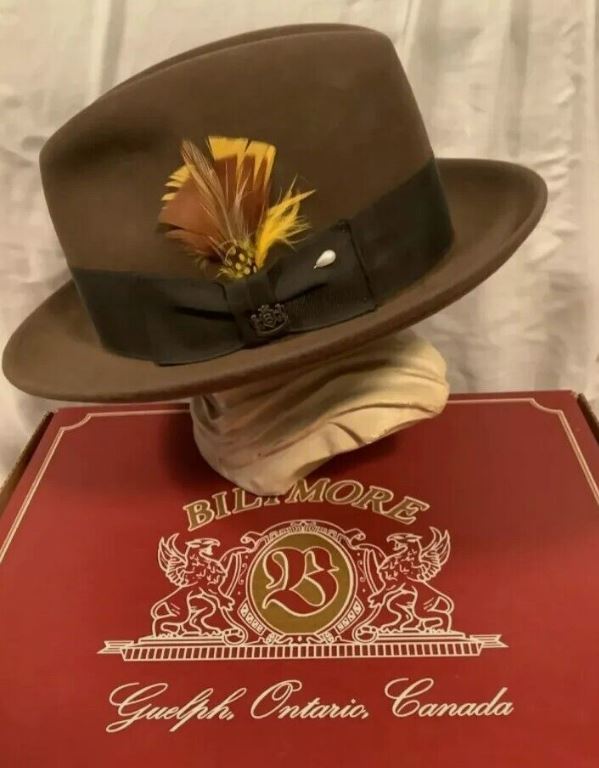
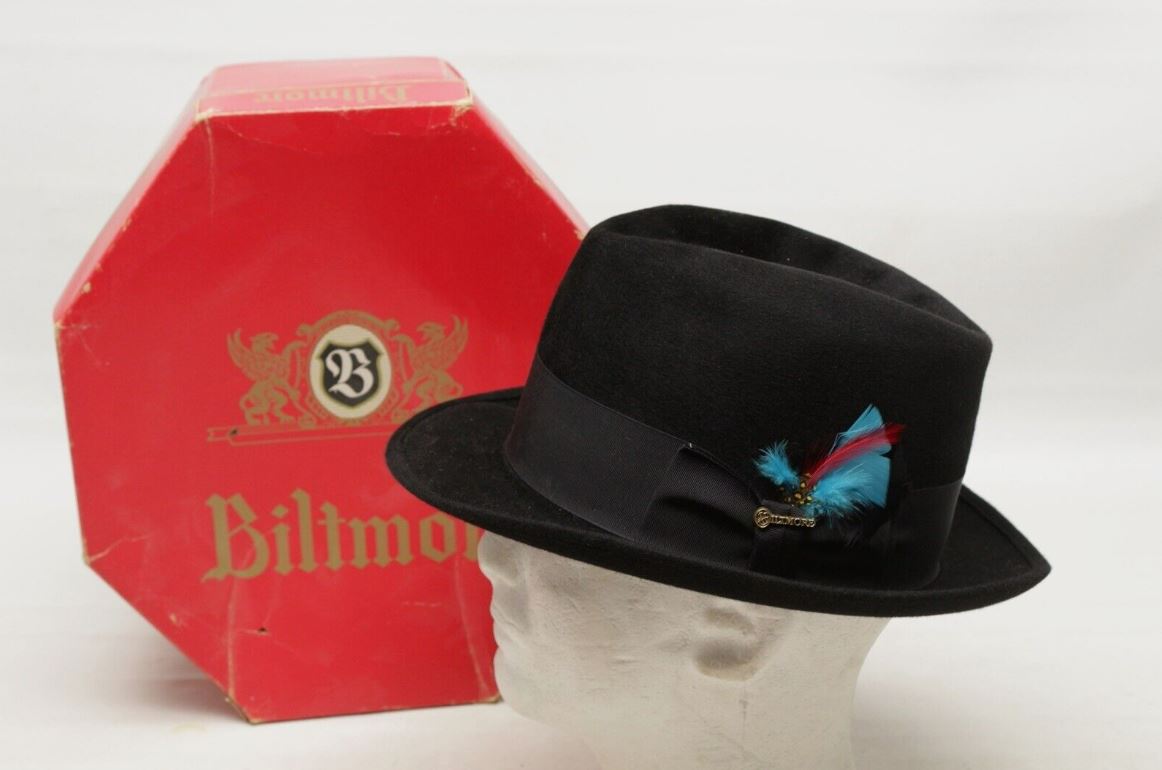
This short 6 inch wooden ruler has a really interesting story to tell. Here are two parts of that story: French Lines and the history of the Biltmore Hat Company. 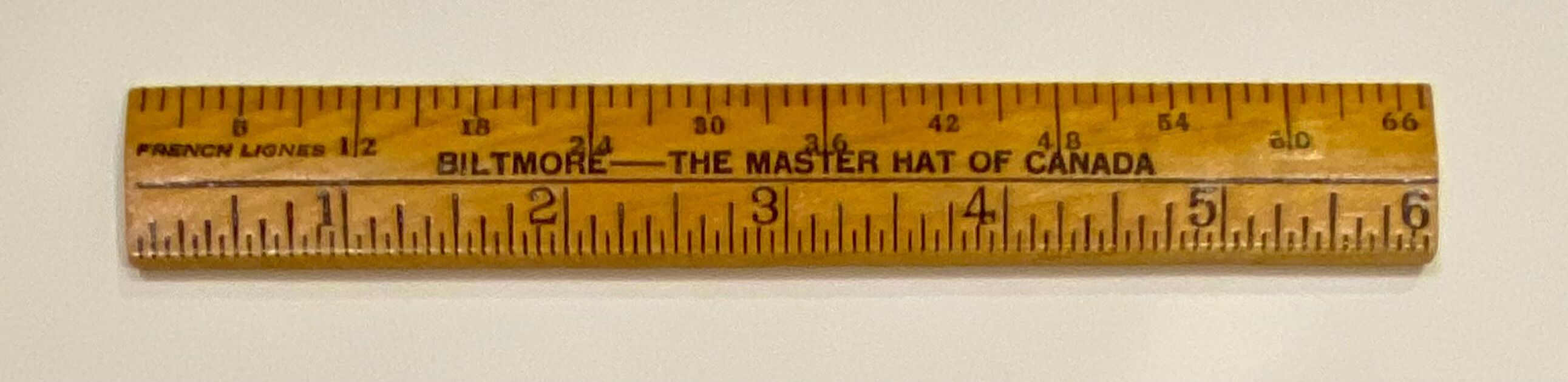 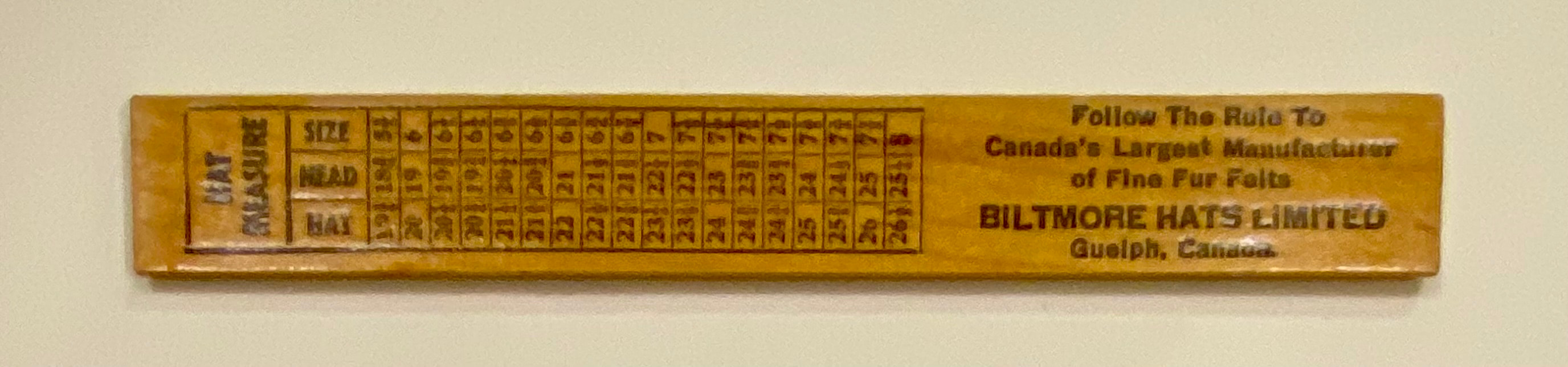 French LinesThe top of this ruler has a unit of measurement labelled "French lignes". The ligne is a historic unit of length used in France and elsewhere prior to the adoption of the metric system in the late 18th century. It is still used sometimes today in ribbon manufacture. The unit is included on this ruler since these ribbons are often used in men's hat bands and the ligne would be used to measure the width of these ribbons. There are 11.26 lignes per inche. This information is all from https://en.wikipedia.org/wiki/Ligne. Biltmore HatsBiltmore Hats Ltd., founded in 1917, has a long history in Canada. For a detailed telling of this company's story, check out this article from the Guelph Historical Society. After learning about this company's history, I checked out vintage Biltmore hats on eBay and now I feel like I need to add a vintage fedora to my collection of Canadian odds and ends.
The Cavalier was a pencil that appears to have only been produced for the Canadian market (as far as I can tell). It is described in the 1950 Moyer's school supply catalogue as, "a very fine inexpensive school pencil." It appears to have been made until at least the 1990s. Earlier versions were made under the Eagle brand name and later versions under the Berol brand. All of the pencils that I've seen have been painted red with a silver imprint although some early pencils may have been painted black. I much prefer the less boring red color. 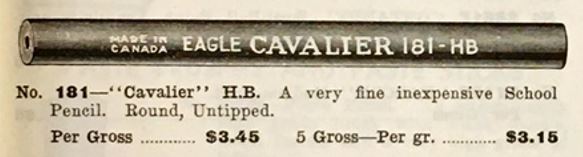 Image from the 1950 Moyer's School Catalogue page 51. In the collection of Cavalier pencils seen below there is an early Eagle Cavalier. The reverse side of this pencil is stamped "Calgary Catholic Schools". The first Berol pencil included the rectangle logo. the last pair of pencil are probably from the 1990s with just the name Berol but no logo. The Eagle pencil is painted the darkest shade of red. The 181 pencil is round and untipped. The 182 is hexagonal and untipped and the 183 is hexagonal tipped with a silver ferrule and pink eraser. 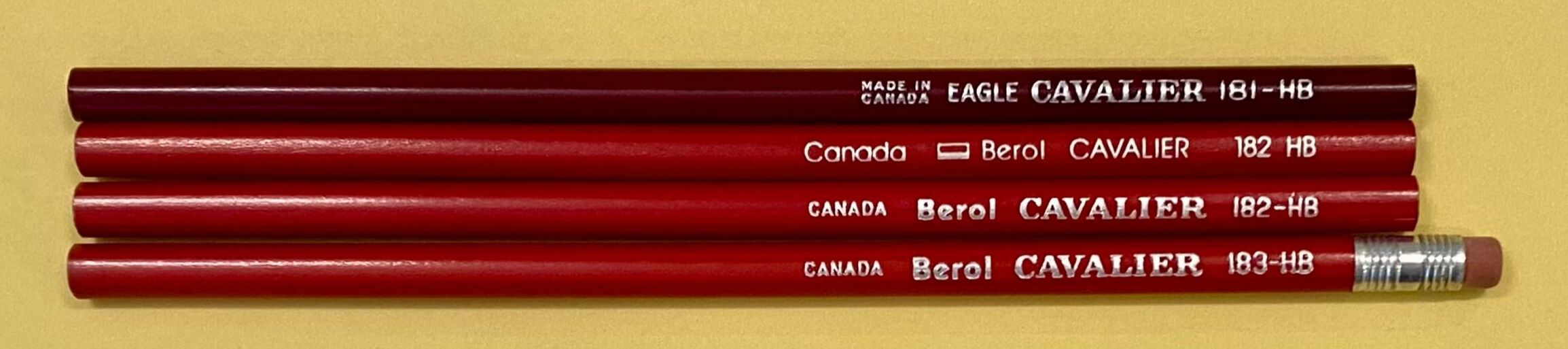 A collection of Cavaliers Perhaps the reason that these were only sold in Canada was because there was a Cavalier Pencil Company in the US although the Canadian pencil may predate the company.
|
Archives
July 2024
Categories
All
|
 RSS Feed
